Saudi Arabia: King Faisal Prize, Research Center Host Symposium on Medicine, Literature in Age of AI
Riyadh, Aug. 26, 2026
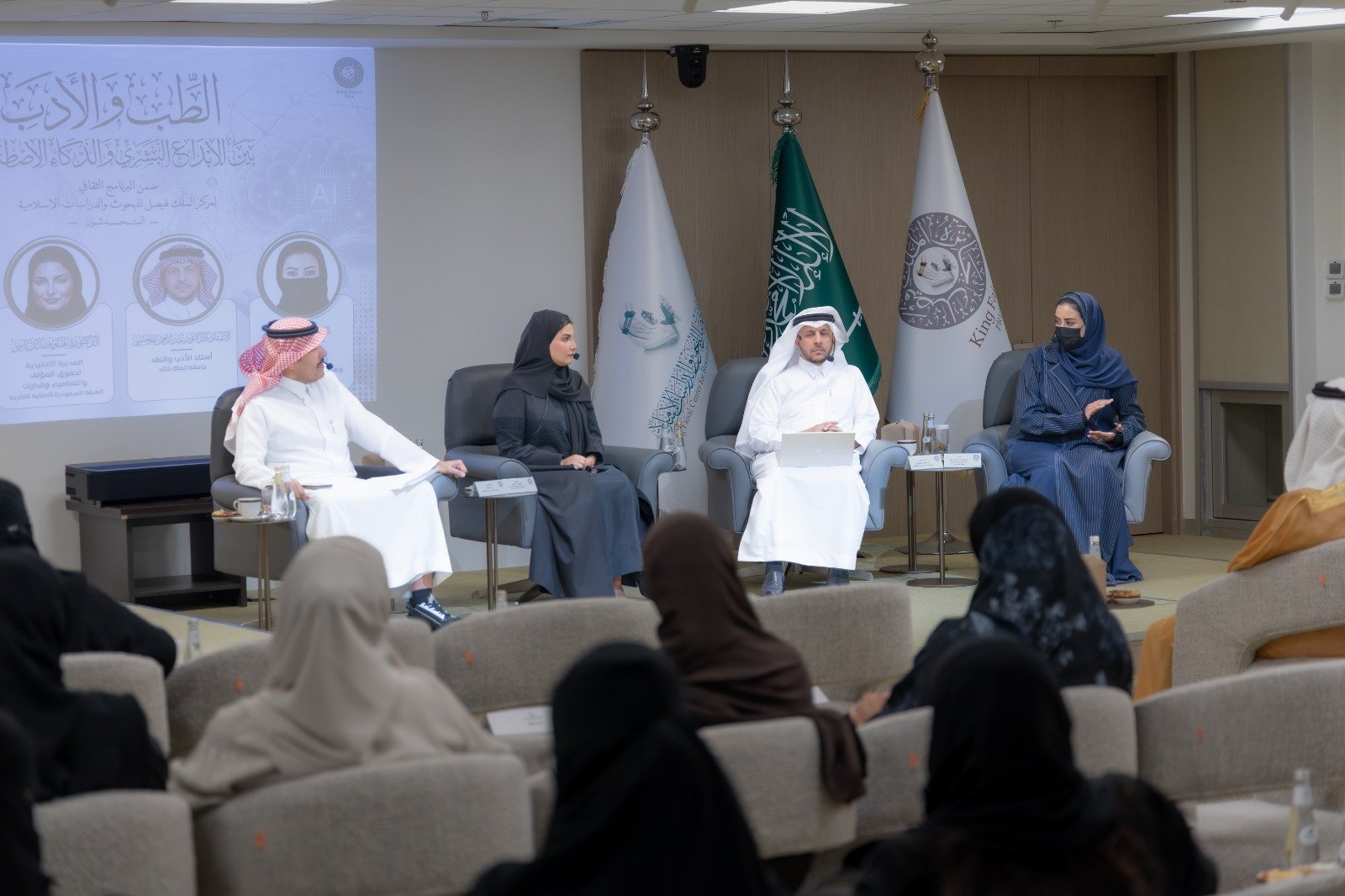
The King Faisal Prize (KFP) and the King Faisal Center for Research and Islamic Studies (KFCRIS) organized a scientific symposium titled “Medicine and Literature Between Human Creativity and Artificial Intelligence” as part of the cultural program of the prize and the center.
The symposium was attended by Prince Turki Al-Faisal, chair of the Board of Directors of the KFCRIS and vice chair of the KFP Authority, and brought together a distinguished group of academics and specialists in literature, artificial intelligence, and intellectual property.
Participants included Dr. Shorouq Al-Sinan, director of the Artificial Intelligence Center and Scientific Publishing Department at Princess Nourah bint Abdulrahman University; Prof. Abdulrahman Al-Mohseni, professor of literature and criticism at King Khalid University; and Dr. Al-Hanouf Al-Dabbasi, executive director of copyright, designs and integrated circuits at the Saudi Authority for Intellectual Property.
The session was moderated by Prof. Omar Al-Saif, professor of Arabic language at Alfaisal University and King Saud University and secretary-general of the Ghazi Al-Gosaibi Award.
The symposium explored the transformations brought about by artificial intelligence in the fields of creativity and knowledge, examining the relationship between human production and content generated through modern technologies. It also addressed questions surrounding the concept and boundaries of creativity and the future relationship between humans and machines.
Discussions focused on the impact of artificial intelligence applications on literature and scientific research, including their ability to simulate human experiences and generate texts, while underscoring the importance of preserving the human and intellectual value of creativity amid the rapid advancement of these technologies.
The symposium also reviewed issues related to copyright and intellectual property in the age of artificial intelligence, as well as the challenges posed by generative technologies to protecting intellectual and creative output. Participants further discussed the scientific and ethical dimensions associated with the use of artificial intelligence in the fields of knowledge, medicine and literature.
The symposium forms part of the cultural and knowledge-based programs organized by the KFCRIS and the KFP to enrich scientific dialogue on contemporary issues, promote interdisciplinary exchange between the humanities and sciences, and explore the impact of emerging technologies on the future of knowledge and creativity.